
 Facebook
 X
X
 Pinterest
 Copy Link
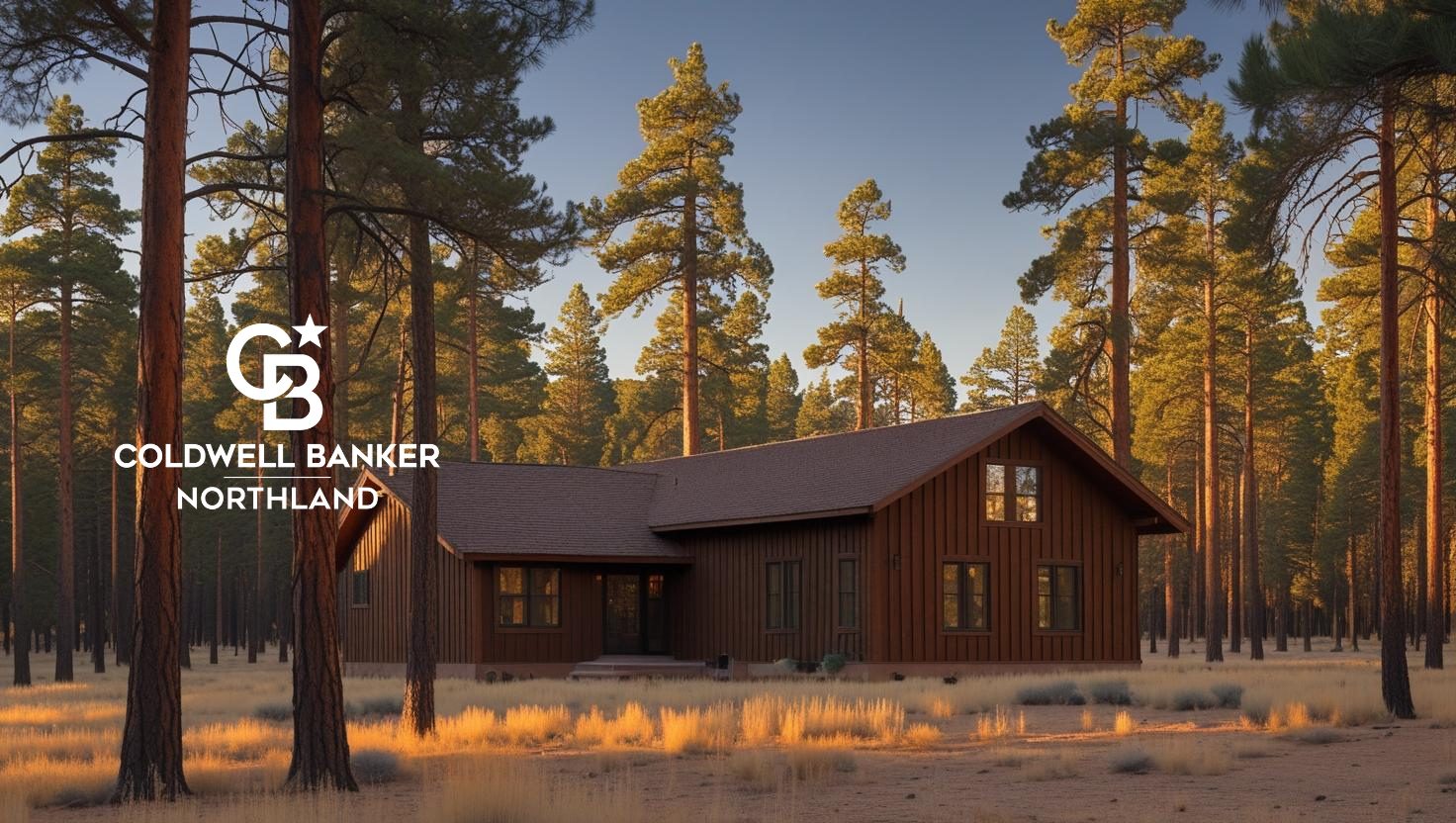
It usually isn’t dramatic.
You’re sitting on a deck somewhere above 7,000 feet. It’s a Sunday afternoon in August. Back in Phoenix, it’s 112 degrees. Here, you’re wearing a light jacket. The pines are moving in the wind. Your coffee is still warm. And somewhere in that moment — quietly, without announcement — the math changes.
You stop thinking about your next visit. You start thinking about your address.
This is the Flagstaff Moment. And for a lot of Phoenix buyers, it arrives sooner than they expect.
It Usually Starts as a Getaway
Most people’s relationship with Flagstaff begins the same way. A long weekend. A hiking trip. A getaway from the valley heat that stretches from May through October. They stay at a rental, love every second of it, and drive back to Phoenix thinking they should do that more often.
The visits get more frequent. The rentals get more familiar. Someone mentions they know a guy who bought a place up here, and he uses it almost every weekend from April through November. The idea starts to take shape.
Then the Rental Math Starts to Feel Backwards
There’s a tipping point that happens when someone starts adding up what they’ve spent on Flagstaff rentals over two or three years. The weekends add up. The holiday weekends especially. And at some point, a recurring thought starts surfacing:
What if that money was building equity instead of someone else’s?
It’s not just the money. It’s the feeling of arrival. When you own the place, you don’t have to pack everything in. You can leave the good coffee there. Your hiking shoes stay in the closet. You stop feeling like a guest in a place you love.
The Lifestyle Is the Investment Thesis
Flagstaff isn’t a speculative bet. It’s a lifestyle market — which means the fundamental appeal isn’t going anywhere. The Coconino National Forest isn’t getting smaller. The San Francisco Peaks aren’t moving. The city isn’t going to get warmer.
What drives long-term value here is the same thing that drove you to visit in the first place: the elevation, the trees, the trails, the culture, the clean air, and the relief from a Phoenix summer that now lasts nearly half the year.
Limited land for development, a stable university economy, consistent in-migration from the Valley — these are the structural factors that have kept Flagstaff real estate resilient through market cycles. Prices have risen modestly and held steady even during periods of broader softening.
The 2026 Market Is Unusually Buyer-Friendly
Here’s something worth knowing if you’re in that in-between space: the Flagstaff market right now is genuinely favorable for buyers. Inventory has expanded, homes are spending more time on the market, and sellers are more willing to negotiate than they were two or three years ago.
That combination — more selection, more time to decide, more leverage at the table — is relatively rare in a market as desirable as Flagstaff. It won’t last indefinitely.
You Don’t Have to Have Everything Figured Out First
One of the things I hear most from buyers who’ve been circling Flagstaff for a year or two is that they kept waiting until they were sure. Sure about their budget. Sure about the neighborhood. Sure about how much they’d actually use it.
The truth is, most people figure those things out in the process of looking— not before it. A few showings in different neighborhoods tells you more about what you want than months of thinking about it from Phoenix.
The Flagstaff Moment is real. If you’ve had it, it’s probably time to do something about it.
I’d be glad to help you take that next step. Call or email anytime — no pressure, just a conversation.
Bob Baronas | Associate Broker | Coldwell Banker Northland (928) 985-0140 | bob@cbnaz.com
